Dancing Lights in the Sky: The Story Behind the Northern Lights of May 2024
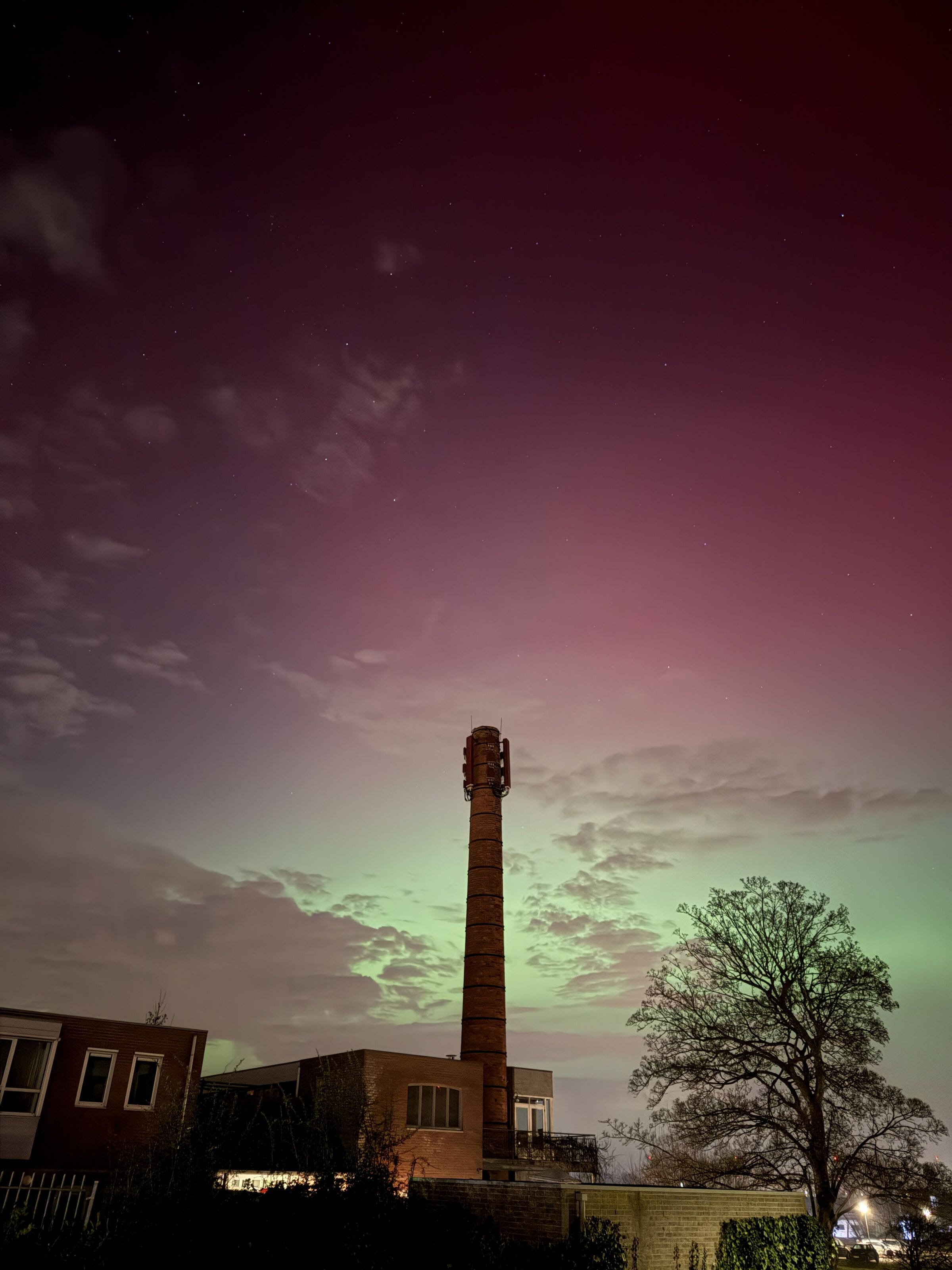
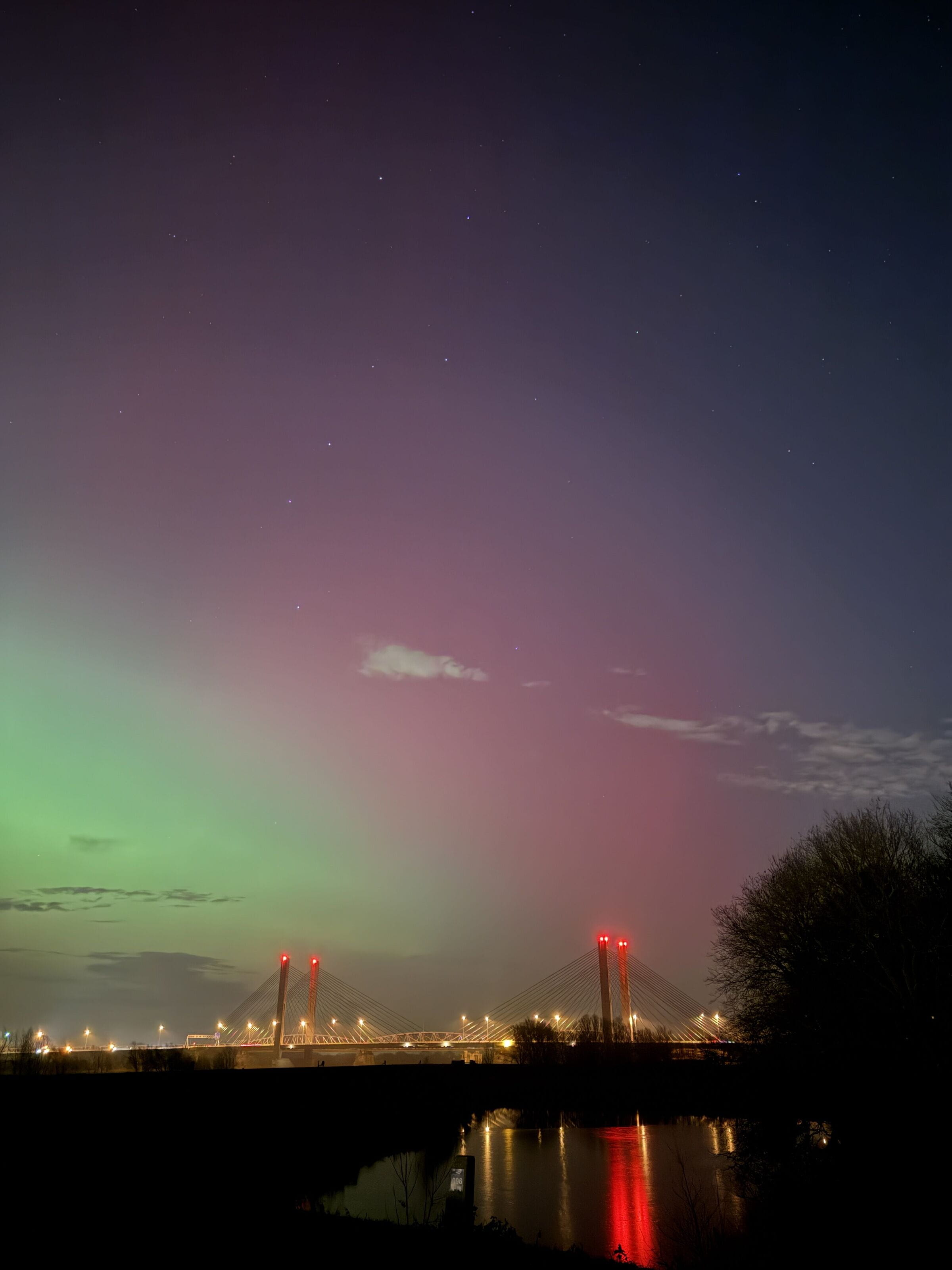
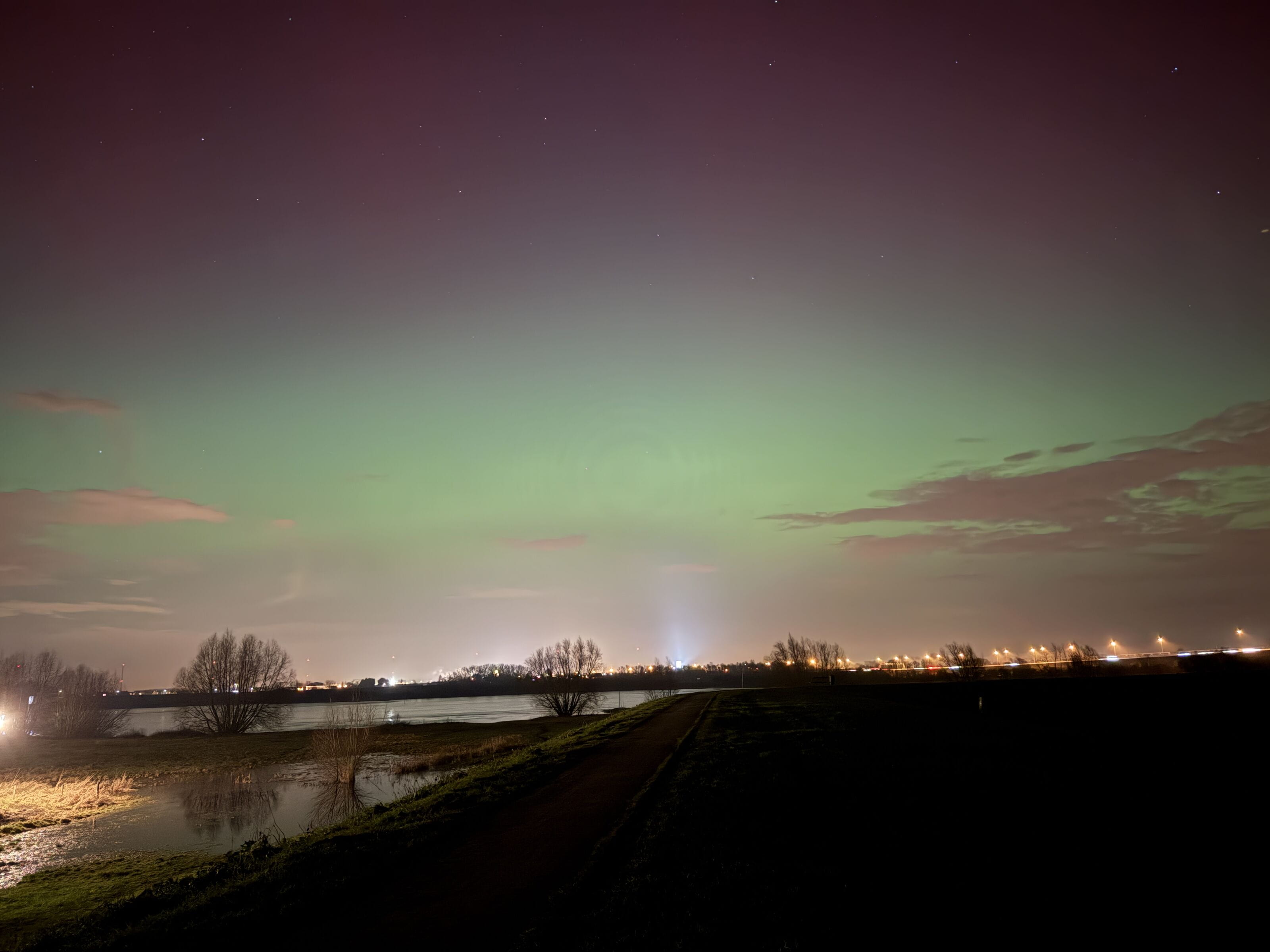
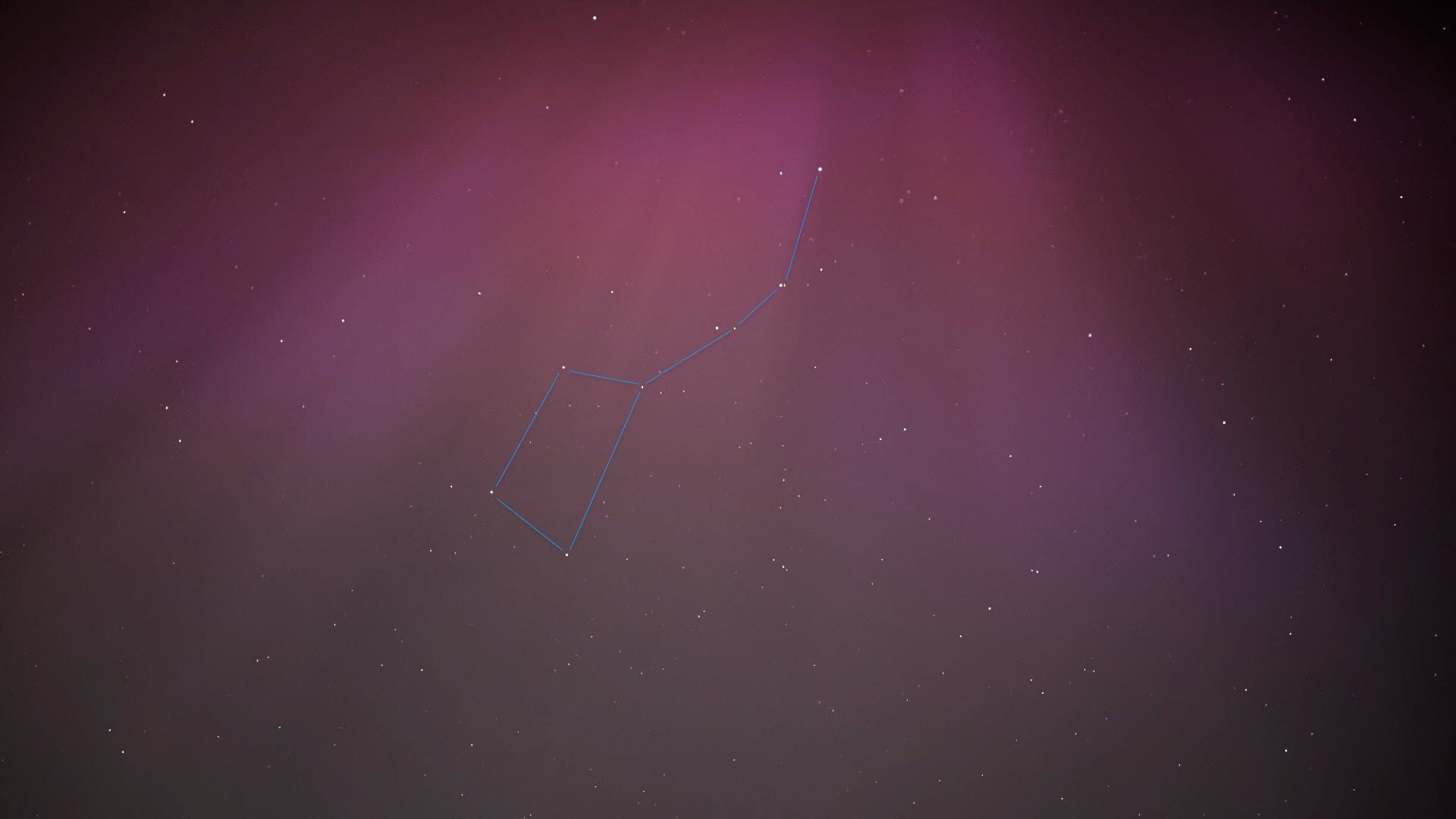
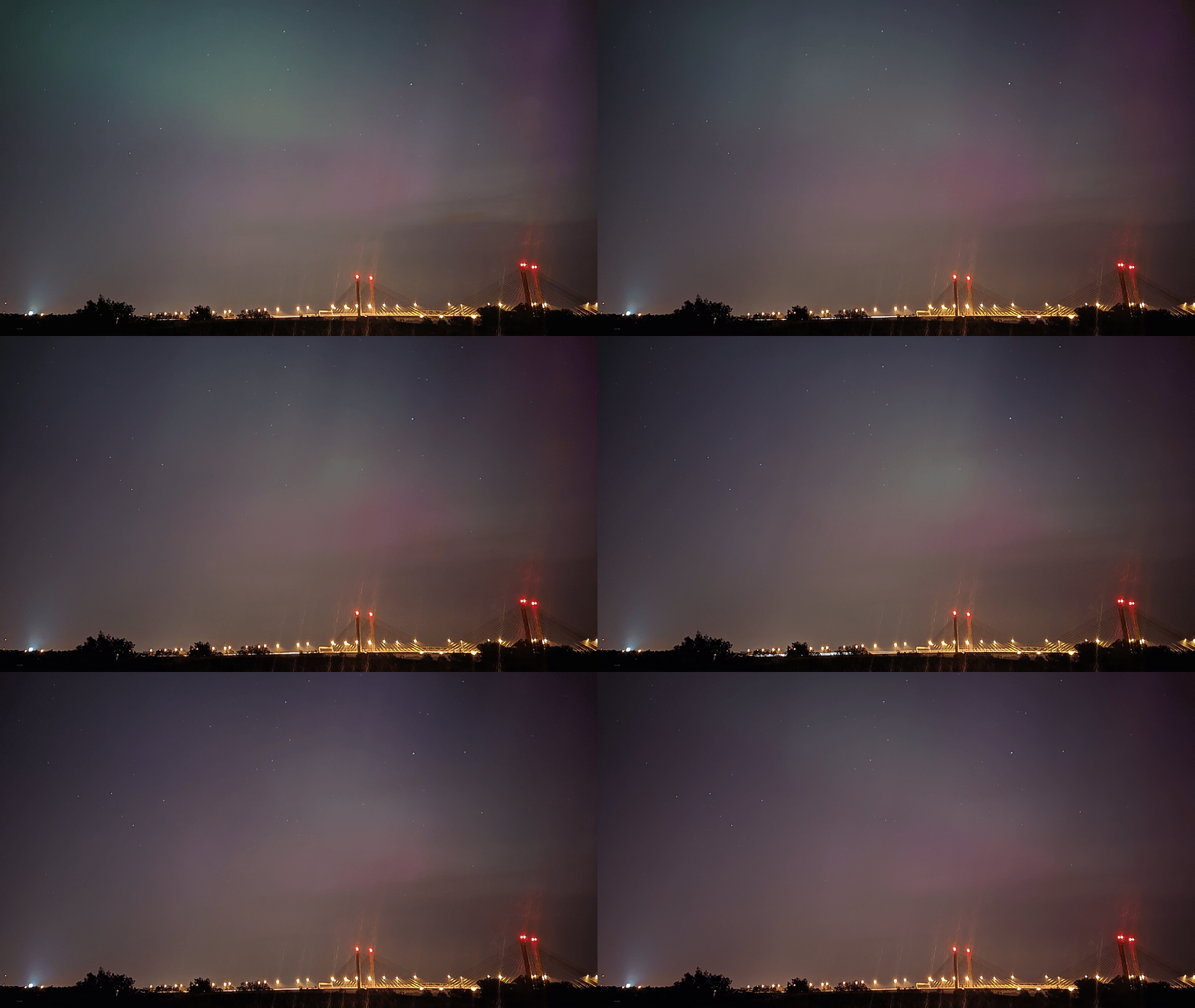
During the night of 10–11 May 2024, something exceptional happened in the Netherlands: the northern lights were visible to the naked eye far into the south of the country. Even in Zaltbommel, the sky turned red and green above the Waal Bridge. It was a rare and unforgettable sight, and a reminder of the enormous power our Sun can release.
How Do the Northern Lights Form?
The northern lights, also called the aurora borealis, appear when electrically charged particles from the Sun, mainly electrons and protons, reach Earth and interact with our atmosphere.
Earth’s magnetic field guides many of these particles toward the polar regions. There, high above the ground, they collide with oxygen and nitrogen atoms and molecules. These collisions release energy as light. From the ground, we see that light as glowing waves, curtains, or patches in the sky.
Red and Green: What Do the Colours Mean?
The colour of the aurora depends on which atoms are hit and how high in the atmosphere the collisions happen.
Green is the most common aurora colour. It is usually produced when charged particles collide with oxygen atoms at an altitude of around 100 kilometres.
Red aurora is less common. It is also produced by oxygen, but much higher in the atmosphere, often above 200 kilometres. When red aurora is visible far from the polar regions, it is usually a sign of a very strong geomagnetic storm.
The red glow seen over the Netherlands in May 2024 showed that Earth was being hit by an unusually powerful stream of solar particles.
The Sun and Its 11-Year Cycle
The Sun is not always equally active. It goes through a cycle of about 11 years, during which the number of sunspots, solar flares, and coronal mass ejections rises and falls.
A coronal mass ejection is a huge cloud of charged particles and magnetic field thrown out into space by the Sun. If such a cloud travels toward Earth, it can disturb Earth’s magnetic field and cause a geomagnetic storm.
Around solar maximum, the most active part of the solar cycle, these events become more frequent and more powerful. The storm of 10 May 2024 was caused by a major solar eruption aimed in Earth’s direction. The resulting geomagnetic storm reached G5 level, the strongest category. Storms like this are rare, and seeing aurora so far south is something that only happens occasionally.
Northern Lights Above Zaltbommel
Zaltbommel lies far south of the regions where the northern lights are normally visible. Yet that night, the sky glowed red and green — a sight many local residents had never seen before.
The Waal Bridge near Zaltbommel, also known as the Martinus Nijhoff Bridge, formed a beautiful foreground beneath the dancing lights. The bridge opened in 1996 and is named after the Dutch poet Martinus Nijhoff, who famously wrote: “Ik ging naar Bommel om de brug te zien…” — “I went to Bommel to see the bridge…”
An Unforgettable Night
The night of 10–11 May 2024 showed that we live on a planet directly connected to its parent star. Most of the time, the Sun feels calm and distant. But during powerful solar storms, its influence reaches all the way to Earth’s atmosphere.
And sometimes, when the conditions are just right, we are treated to a light show normally reserved for people living much closer to the Arctic Circle.